What would you like to know?
I have answered a few common questions in the FAQ below, so please check it out to save yourself time and get your answers immediately. Still don’t have your answer? Send me a message and I will be happy to address any questions you might have regarding the services.

Frequently Asked Questions about Corrective Exercise and Integrative Health Coaching
CHEK Practitioners go far beyond sets and reps. Each programme is built around your posture, movement patterns, breathing, stress levels, lifestyle, and recovery capacity. The goal is long-term health, resilience, and performance, not short-term fixes.
I work with people who want sustainable results, including beginners, experienced exercisers, professionals under stress, people with chronic pain and those returning to training after injury or burnout. You do not need to be fit at all to start.
Yes. Chronic back pain is one of the most common issues I work with. The focus is on identifying and addressing underlying causes such as posture, movement patterns, breathing patterns, stress levels, and lifestyle factors rather than chasing only symptoms.
Rather than isolating muscles or following generic rehabilitation protocols, the CHEK approach looks at the whole person. Back pain is often influenced by stress, poor recovery, breathing pattern disorders, and daily habits as much as by strength or flexibility.
We carry out a detailed health and lifestyle history, posture, core and movement assessment, breathing evaluation, and discussion around stress, sleep, work demands, and pain triggers. This allows us to build a programme that supports healing rather than aggravation.
Integrative health coaching addresses the foundations of health: movement, nutrition, sleep, stress, breathing, hydration, and mindset. The aim is to restore balance and resilience so the body can function optimally.
Chronic pain is rarely purely physical. Stress, poor sleep, breathing patterns, digestion, and emotional load all influence pain sensitivity and recovery. Addressing these factors improves outcomes.
Yes. Education is a key part of the process. Understanding why pain is occurring often reduces fear, improves confidence in movement, and supports long-term change.
When applied appropriately, strength training can be highly beneficial. Exercises are carefully selected and progressed to improve resilience without overloading the spine. There are certain red flag symptoms however, when we do not recommend it.
No. I do not diagnose or treat medical conditions. Coaching is educational and supportive, and I work within my scope of practice. When appropriate, I encourage collaboration with medical or allied health professionals.
No. I do not diagnose or treat medical conditions. This work complements physiotherapy and medical care, and collaboration with healthcare professionals is encouraged when appropriate.
Rather than chasing symptoms or aesthetics alone, I focus on root causes, education, and long-term health. Clients learn how to support their own bodies, not rely on constant supervision.
This approach may not suit those looking for extreme short-term results, quick fixes, passive treatment or pain relief without lifestyle changes. It is best suited to people who value health, sustainability, and personal responsibility.
Progress is measured through postural improvement, movement quality, strength, energy levels, recovery, body composition changes, and how you feel day to day, not just numbers on a scale. We do regularly (every 6-8 weeks) assessments to see how we progress in objective measurements.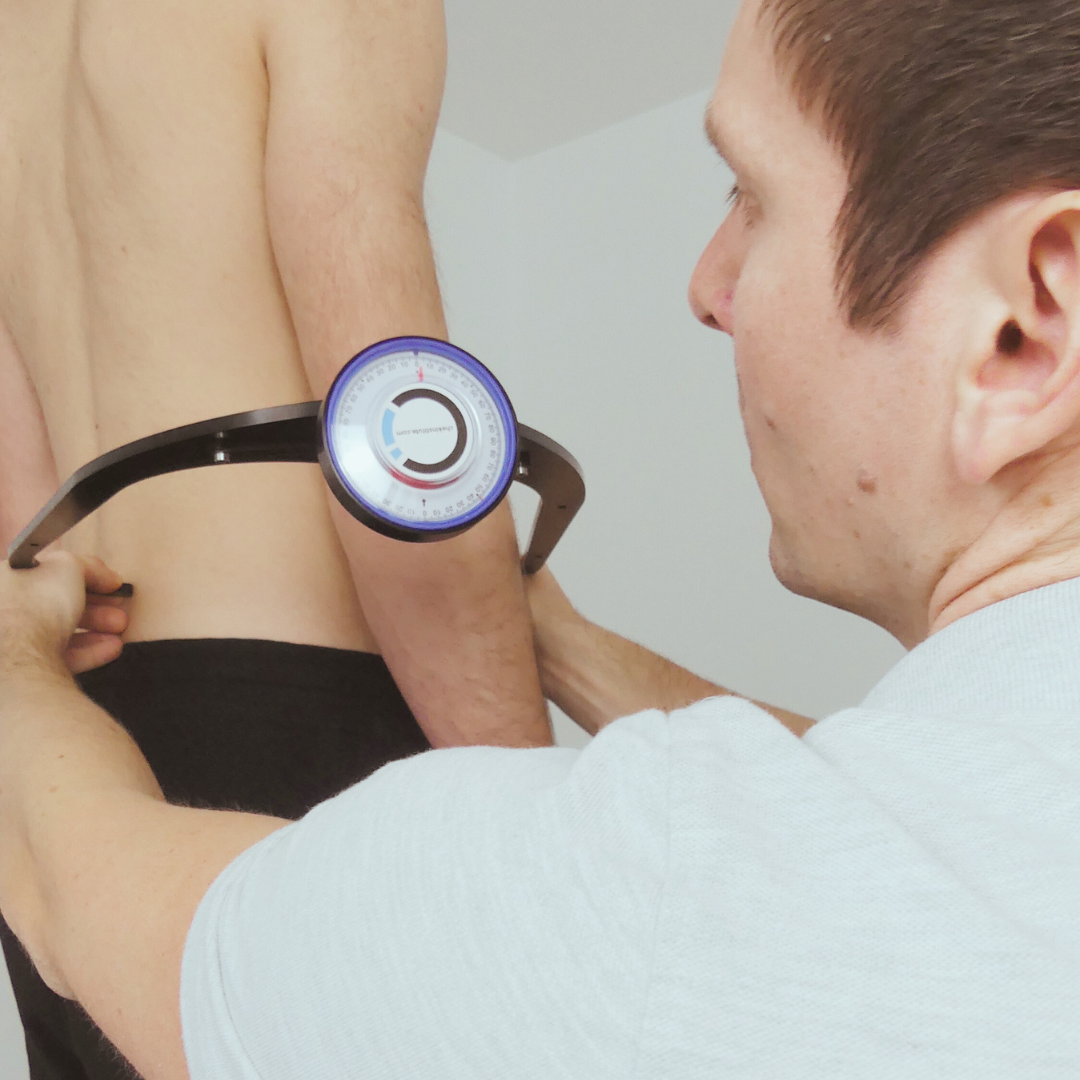
The first step is a quick initial consultation, where we assess your needs, goals, and suitability, and outline a clear plan forward.